

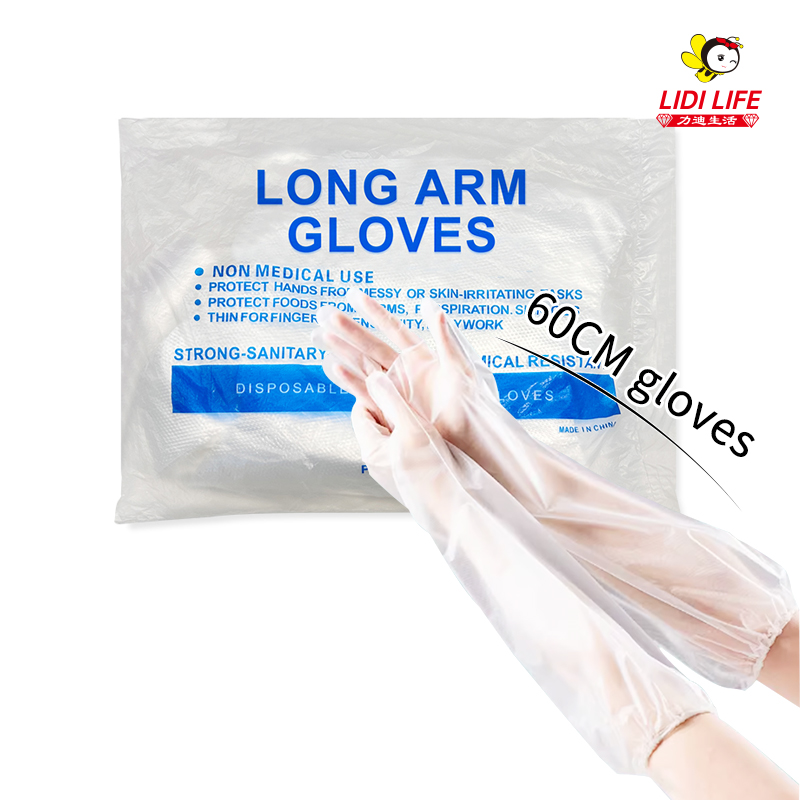

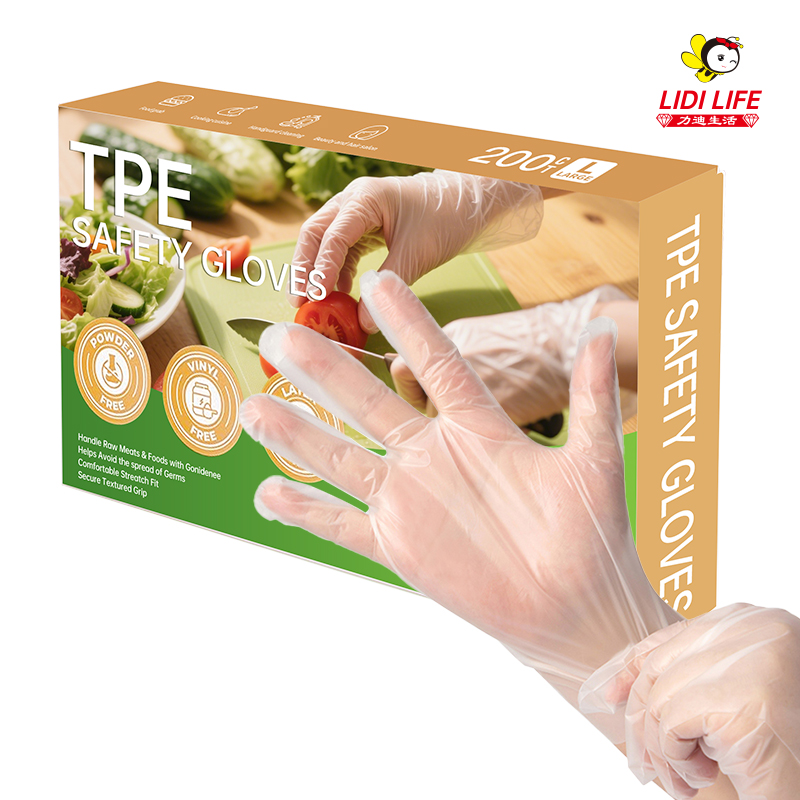


The UK catering industry has undergone a significant transformation in recent years, driven by stricter hygiene regulations, evolving consumer expectations, and increased awareness of food safety. At the center of this transformation is the growing demand for disposable food gloves, which have become an essential tool for ensuring cleanliness and compliance across food handling environments.
From restaurants and takeaway outlets to institutional catering and food manufacturing, businesses are prioritizing the use of food grade disposable gloves to minimize contamination risks. This shift is not only regulatory-driven but also influenced by customer perception, as diners increasingly expect visible hygiene practices.
Regulatory Environment Driving Growth
The UK operates under stringent food safety frameworks enforced by the Food Standards Agency (FSA). These regulations emphasize hygiene, cross-contamination prevention, and safe food handling practices.
The use of catering disposable gloves plays a vital role in meeting these standards. Businesses must ensure that gloves are:
Suitable for direct food contact
Free from harmful substances
Changed frequently to avoid contamination
As a result, demand for powder-free food handling gloves has increased significantly. Powder-free options reduce the risk of residue contamination, making them ideal for professional kitchens.
Why Disposable Gloves Are Essential in Catering
The importance of disposable food gloves goes beyond compliance. They serve as a frontline defense against contamination, particularly in high-volume kitchens where food is handled continuously.
Key benefits include:
Reduced cross-contamination between raw and cooked foods
Improved hygiene perception among customers
Enhanced operational efficiency
The widespread adoption of blue disposable food gloves also supports food safety by improving visibility. Blue gloves are easily detectable if torn or accidentally mixed with food, reducing risks in processing environments.
Market Trends in the UK
1. Shift Toward Premium Quality Gloves
UK buyers are increasingly moving away from low-cost options and investing in durable food grade disposable gloves that offer better performance and safety.
2. Growth in Takeaway and Delivery
The expansion of food delivery services has accelerated the use of catering disposable gloves, as businesses must maintain hygiene across packaging and handling stages.
3. Preference for Powder-Free Solutions
The transition to powder-free food handling gloves reflects growing awareness of allergen control and food safety risks.
Material Innovations and Product Development
Manufacturers are introducing advanced materials to improve glove performance. These innovations include:
Enhanced elasticity for better fit
Improved puncture resistance
Lightweight designs for comfort
Modern disposable food gloves are engineered to balance durability and cost-efficiency, making them suitable for large-scale catering operations.
B2B Purchasing Behavior in the UK
Professional buyers in the UK prioritize:
Compliance certifications
Bulk pricing advantages
Reliable supply chains
The demand for blue disposable food gloves is particularly strong among food processors and large kitchens, where visual safety standards are critical.
Challenges Facing the Industry
Despite growth, the market faces several challenges:
Price fluctuations in raw materials
Environmental concerns related to disposables
Supply chain disruptions
Manufacturers are responding by developing more sustainable food grade disposable gloves while maintaining performance standards.
Future Outlook
The UK market for disposable food gloves is expected to continue expanding, driven by:
Increasing regulatory enforcement
Growth in the food service sector
Rising consumer awareness
Businesses that invest in high-quality catering disposable gloves will be better positioned to meet evolving industry demands.
Conclusion
The surge in demand for disposable food gloves in the UK catering industry reflects a broader shift toward safety, professionalism, and consumer trust. With continued innovation and strong regulatory support, the market is set for sustained growth.