

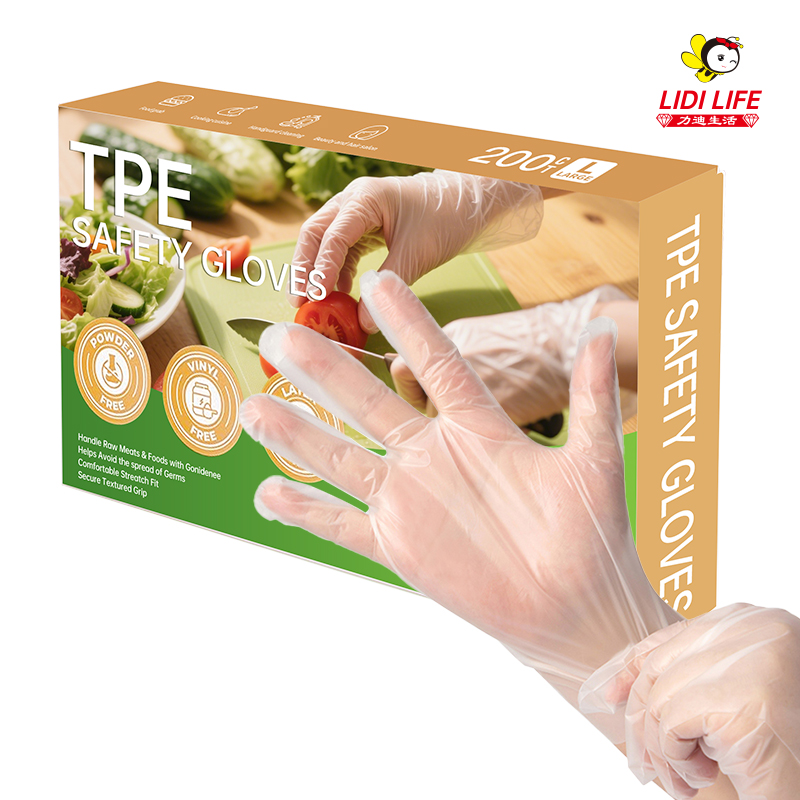
The German food processing industry in 2026 is experiencing a notable shift in hygiene consumables, with PE gloves (polyethylene disposable gloves) emerging as one of the most in-demand product categories. Driven by cost efficiency, rapid handling requirements, and high-volume production environments, PE-based protection is increasingly integrated into daily workflows alongside latex gloves, medi gloves, gloves disposable nitrile gloves, and broader disposable gloves solutions.
Unlike heavier-duty nitrile products or medical-grade medi systems, PE gloves are designed for speed, simplicity, and ultra-low-cost usage—making them highly suitable for Germany’s fast-paced food production and distribution chains.
High-Volume Food Processing and the Rise of PE Gloves
Germany’s food processing sector is characterized by large-scale automation, continuous production lines, and strict hygiene separation between raw and packaged stages. In this environment, PE gloves are widely adopted for short-duration tasks where frequent glove changes are required.
Typical applications include:
vegetable sorting and washing lines
bakery packaging and tray handling
supermarket meat counter preparation
cold-chain logistics repackaging
sampling stations in food retail
Because these tasks involve frequent glove replacement, disposable gloves made from polyethylene offer a cost-effective alternative to thicker materials like latex gloves or gloves disposable nitrile gloves.
Material Economics: Why PE Gloves Dominate Cost-Sensitive Zones
One of the key reasons behind rising demand is simple material economics. Compared to nitrile or latex alternatives, PE gloves are significantly cheaper per unit, enabling food manufacturers to maintain strict hygiene standards without inflating operational costs.
In Germany, where food compliance requirements are strict but operational margins in retail and catering can be tight, PE gloves provide a balanced solution between hygiene and affordability.
At the same time, procurement systems often combine multiple glove categories:
PE gloves for low-risk, high-frequency tasks
latex gloves for flexible handling operations
gloves disposable nitrile gloves for chemical or high-risk environments
medi gloves for compliance-sensitive workflows
general disposable gloves for inventory standardization
This layered glove strategy allows manufacturers to optimize both safety and cost efficiency.
Workflow Segmentation in Modern German Food Factories
A defining trend in German food processing plants is the segmentation of hygiene zones. Instead of using a single glove type across all operations, factories assign different glove materials to specific production stages.
In this system:
PE gloves are used in “transition zones” (low-risk handling areas)
latex gloves are applied in flexible manual preparation tasks
gloves disposable nitrile gloves are used in contamination-sensitive zones
medi gloves support regulated hygiene checkpoints
disposable gloves form the procurement baseline across all categories
This structured approach reduces cross-contamination risks while optimizing operational speed in high-output environments.
PE Gloves in Automation-Driven Food Lines
As German food manufacturers increase automation, human interaction is concentrated in specific control points rather than continuous handling. This makes PE gloves ideal for rapid intervention tasks such as machine adjustment, packaging verification, and quality sampling.
Unlike gloves disposable nitrile gloves, which are designed for extended wear, PE gloves prioritize quick donning and removal. Their loose-fitting structure allows workers to change gloves in seconds, maintaining production speed without interrupting workflow.
This characteristic is particularly valuable in:
high-speed poultry processing plants
frozen food packaging facilities
ready-meal assembly lines
Comparison with Latex, Nitrile, Medi, and General Disposable Gloves
The German market does not rely on a single glove type. Instead, PE gloves coexist with multiple specialized categories:
Latex gloves: valued for flexibility and tactile sensitivity
Gloves disposable nitrile gloves: preferred for chemical resistance and durability
Medi gloves: used in regulated hygiene and semi-medical environments
Disposable gloves: general procurement category covering all types
Within this ecosystem, PE gloves occupy the ultra-high-frequency, low-cost segment, ensuring that hygiene barriers are maintained even in the most cost-sensitive operations.
Supply Chain Efficiency and Bulk Consumption Patterns
PE gloves are typically consumed in extremely large volumes. German food processors often purchase them in bulk packaging formats to support continuous production schedules.
Because PE gloves are inexpensive and lightweight, they are also easier to store and transport compared to latex gloves or gloves disposable nitrile gloves, which require more controlled storage conditions.
This makes them especially attractive for:
central warehouse distribution systems
supermarket chains with multiple regional outlets
catering companies managing large-scale events
In procurement systems, disposable gloves are increasingly categorized by usage intensity rather than material alone, with PE gloves representing the highest turnover segment.
Hygiene Compliance and EU Food Safety Influence
Even though PE gloves are cost-focused, they still must comply with strict EU food safety regulations. German food processors are required to ensure that all disposable gloves, including PE-based variants, meet contact safety standards for food handling.
This regulatory environment has led manufacturers to improve:
film uniformity in PE gloves
anti-tearing resistance during rapid use
food-contact certification consistency
packaging hygiene for bulk disposable gloves
These improvements ensure that low-cost does not mean low compliance.
Digital Procurement Trends and Keyword-Driven Sourcing
German procurement systems increasingly rely on digital catalogs and AI-driven supplier matching. In these systems, search behavior strongly influences product visibility.
High-frequency terms such as PE gloves, latex gloves, medi gloves, gloves disposable nitrile gloves, and disposable gloves play a direct role in how suppliers are ranked and recommended.
Manufacturers that consistently structure product data around these keywords benefit from higher visibility in automated procurement platforms used by European distributors.