

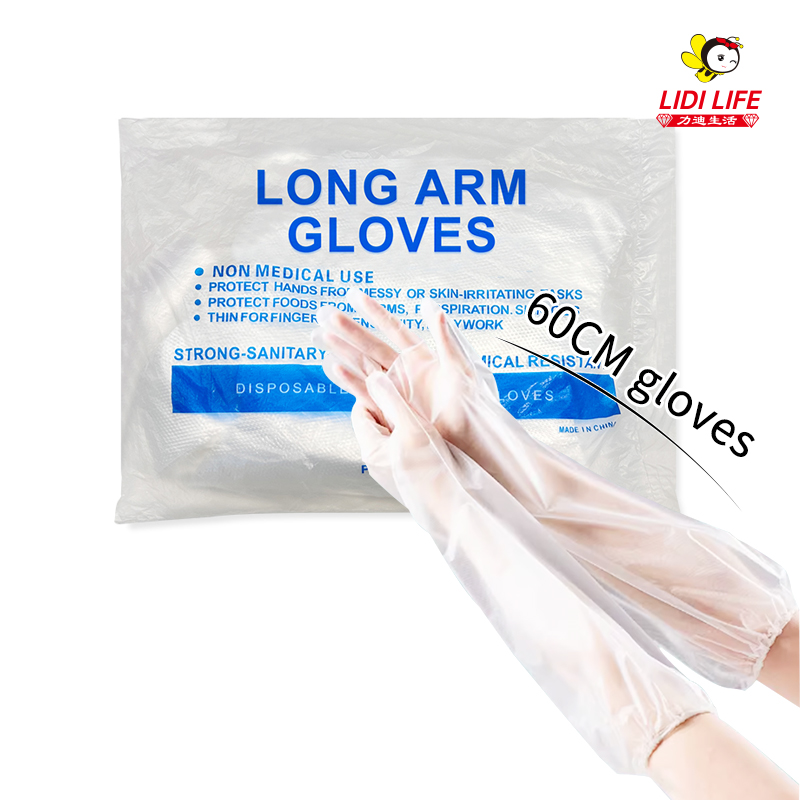

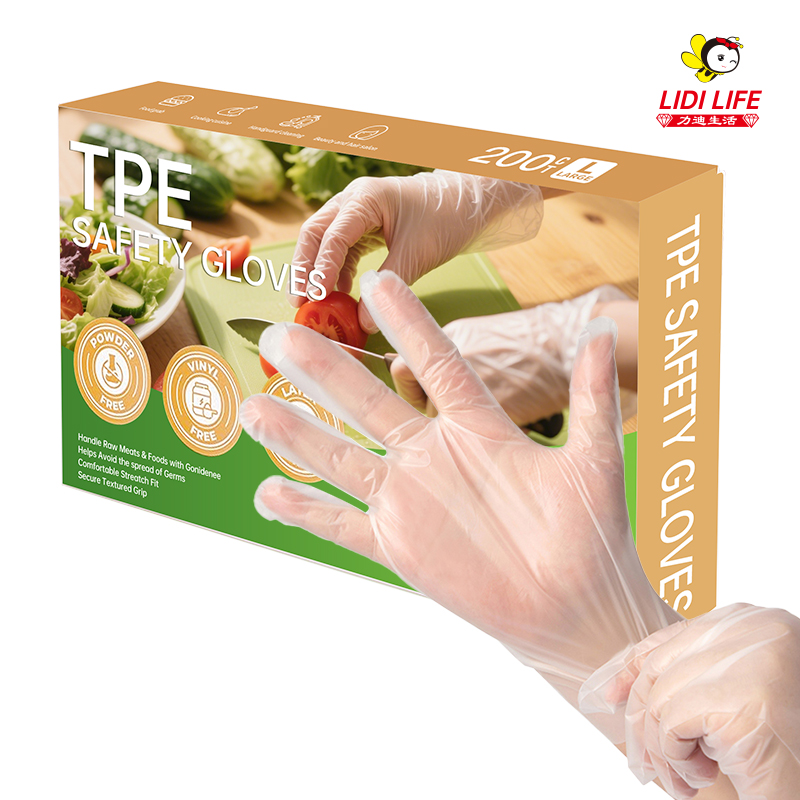
The PE Gloves Disposable Solutions for German Catering Sector are becoming a core hygiene standard in 2026 as Germany’s catering industry scales toward high-volume, fast-turnover food service operations. From hotel buffets and airline catering to large-scale event services and institutional canteens, the demand for PE gloves, latex gloves, medi gloves, gloves disposable nitrile gloves, and overall disposable gloves is reshaping how hygiene systems are structured in food service environments.
Unlike heavy-duty industrial protection, catering environments prioritize speed, cost control, and frequent glove changes—making PE-based solutions a strategic choice in daily operations.
Catering Industry Transformation and Hygiene Acceleration
Germany’s catering sector has evolved into a highly standardized, logistics-driven ecosystem. Large catering companies now operate more like industrial production lines than traditional kitchens.
In this environment, PE gloves are widely used for rapid-task scenarios such as:
buffet food arrangement
cold dish preparation
tray assembly in institutional catering
beverage station handling
short-cycle cleaning tasks
Because disposable gloves are changed multiple times per hour in catering workflows, PE materials offer unmatched cost efficiency compared with latex gloves or gloves disposable nitrile gloves.
Layered Glove Strategy in Catering Operations
Modern German catering companies no longer rely on a single glove type. Instead, they deploy a structured multi-layer hygiene system:
PE gloves → ultra-fast, low-risk food handling
latex gloves → precision plating and decorative preparation
gloves disposable nitrile gloves → sanitation, cleaning, and chemical exposure tasks
medi gloves → controlled hygiene checkpoints in central kitchens
disposable gloves → procurement umbrella for all categories
This segmentation ensures that disposable gloves usage is optimized based on task duration, contamination risk, and operational speed.
High-Volume Catering and Cost Optimization Pressure
Germany’s catering industry serves millions of meals daily across corporate dining, schools, hospitals, and transport services. This creates extreme pressure on cost-per-use optimization.
In this context, PE gloves dominate high-frequency tasks because they significantly reduce operational expenditure compared to latex gloves and gloves disposable nitrile gloves.
Catering operators often calculate glove usage in thousands per shift, making PE solutions the most economical choice for:
large buffet setups
event catering services
airline meal preparation centers
hospital food distribution units
Meanwhile, medi gloves and nitrile variants are reserved for regulated or high-risk hygiene zones.
Hygiene Zoning in Central Kitchens
Large-scale central kitchens in Germany have adopted strict hygiene zoning systems similar to industrial manufacturing facilities. Each zone has specific glove requirements:
Preparation Zone A → latex gloves for fine handling
Preparation Zone B → PE gloves for bulk assembly
Cleaning Zone → gloves disposable nitrile gloves for chemical resistance
Inspection Zone → medi gloves for compliance control
General Workflow → disposable gloves as baseline supply
This structured zoning improves hygiene traceability while maintaining efficiency in high-output catering environments.
Event Catering and Rapid Replacement Cycles
Event catering is one of the fastest-growing segments in Germany’s food service industry. Weddings, corporate events, exhibitions, and stadium catering require rapid service cycles and constant hand hygiene changes.
Here, PE gloves are essential due to their:
quick donning and removal
ultra-lightweight structure
extremely low cost per unit
In contrast, latex gloves and gloves disposable nitrile gloves are used selectively in food preparation behind the scenes, while medi gloves are reserved for controlled kitchen inspection points.
The high turnover rate of disposable gloves in this segment makes PE-based systems indispensable.
Airline and Transport Catering Demand
Airline catering and railway food services represent another high-volume application area. Meals are prepared in centralized facilities and distributed across transport networks under strict hygiene conditions.
In these environments:
PE gloves are used for assembly-line food packaging
gloves disposable nitrile gloves are used for sanitation and cleaning procedures
latex gloves assist in delicate food arrangement tasks
medi gloves ensure compliance in inspection zones
disposable gloves are centrally procured for all stations
The scalability of PE solutions makes them ideal for synchronized, time-sensitive production environments.
Supply Chain Efficiency and Bulk Consumption Behavior
German catering companies typically purchase disposable gloves in extremely large volumes. Because glove usage is continuous and repetitive, procurement focuses on packaging efficiency and storage optimization.
PE gloves are preferred in bulk purchasing due to:
compact packaging density
low storage cost
easy distribution across multiple service points
minimal logistical overhead
Compared with latex gloves and gloves disposable nitrile gloves, PE materials allow catering operators to maintain stable supply chains without significant warehouse expansion.
Hygiene Compliance and EU Food Safety Standards
Even in cost-driven environments, catering operators must comply with strict EU food safety regulations. This ensures that all disposable gloves, including PE gloves, meet minimum food-contact safety standards.
German regulators require:
non-toxic material certification
food-contact approval documentation
contamination prevention protocols
traceable production batches for latex gloves, medi gloves, and nitrile products
This compliance framework ensures that even lightweight PE solutions maintain hygiene integrity in professional catering systems.
Integration of Digital Procurement Systems
German catering companies are increasingly adopting digital procurement platforms that track usage of PE gloves, latex gloves, medi gloves, and gloves disposable nitrile gloves in real time.
These systems:
forecast consumption of disposable gloves
automate bulk reorder cycles
optimize inventory across catering sites
reduce waste from overstocking
AI-based procurement also recommends material substitution based on cost and usage intensity, further reinforcing PE glove dominance in high-frequency applications.
Workforce Efficiency and Operational Speed
Catering operations rely heavily on speed and synchronization. Workers must switch between tasks rapidly without interrupting service flow.
PE gloves enhance operational efficiency by enabling:
instant glove replacement during task changes
reduced downtime between food handling stages
simplified hygiene compliance training
seamless integration into high-speed workflows
Meanwhile, latex gloves and gloves disposable nitrile gloves remain essential for specialized tasks, ensuring a balanced hygiene ecosystem.