


The German healthcare system in 2026 continues to represent one of the most advanced and tightly regulated medical environments in Europe, and this directly shapes procurement patterns for protective handwear. Among all product categories, gloves disposable nitrile gloves have become the fastest-growing segment, gradually redefining the balance between traditional latex gloves, medi gloves, PE gloves, and general disposable gloves used across hospitals, laboratories, and outpatient facilities.
Unlike earlier years where glove selection was mainly cost-driven, Germany’s healthcare sector now evaluates products based on allergy risk, chemical resistance, supply chain stability, and compliance with EU medical device and food-contact crossover standards.
Healthcare-Driven Shift Toward Nitrile Materials
One of the most significant developments in German hospitals is the steady replacement of latex gloves with nitrile-based alternatives. This transition is largely driven by increased awareness of Type I latex allergies among healthcare workers and patients.
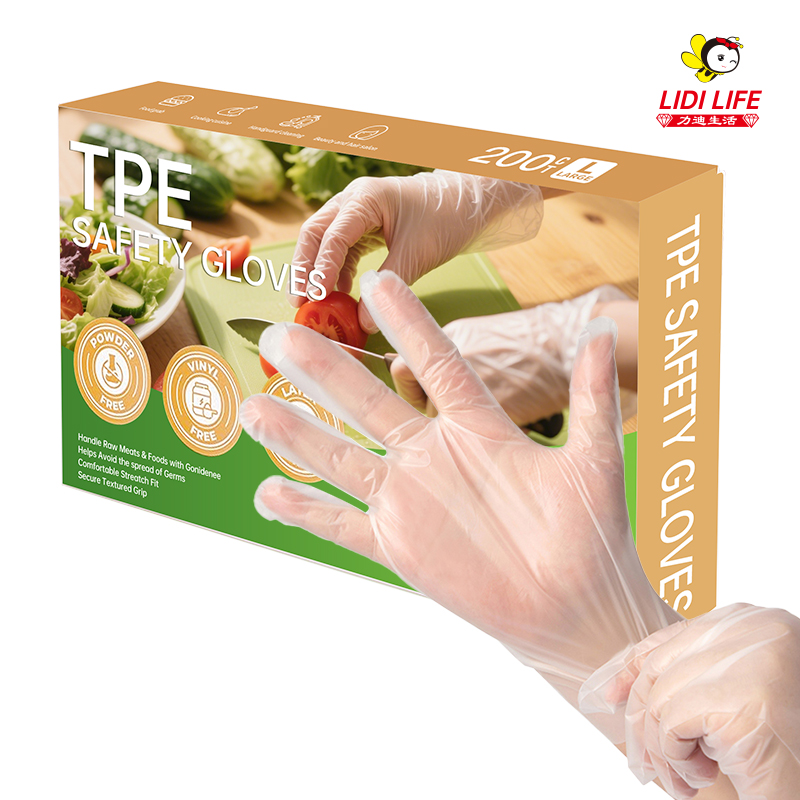
Gloves disposable nitrile gloves are now widely used in:
emergency departments
surgical preparation rooms
laboratory diagnostics
pharmaceutical handling units
infection control zones
Their superior puncture resistance and chemical stability make them particularly suitable for high-risk environments where exposure to bodily fluids or disinfectants is frequent.
However, latex has not disappeared completely. In controlled, low-risk procedures where tactile sensitivity is critical, latex gloves still retain a niche role, especially in dental and minor surgical applications.
Medi Gloves as a Compliance-Oriented Category
The rise of medi gloves in Germany reflects a broader trend toward standardized hygiene compliance across healthcare networks.
Unlike general disposable gloves, medi gloves are increasingly specified in procurement contracts due to:
EU MDR-aligned quality expectations
standardized thickness and barrier protection
compatibility with sterilized environments
traceable manufacturing batches
Hospitals in Germany are increasingly segmenting glove usage into strict categories, where medi gloves are assigned to medium-risk patient interaction zones, while gloves disposable nitrile gloves dominate high-risk exposure areas.
This structured segmentation reduces cross-contamination risk and improves inventory forecasting across hospital systems.
Integration of Healthcare and Food-Safety Standards
A unique feature of the German system is the convergence between healthcare hygiene standards and food safety regulations. This overlap influences glove procurement strategies across institutional kitchens, elderly care facilities, and hospital catering services.
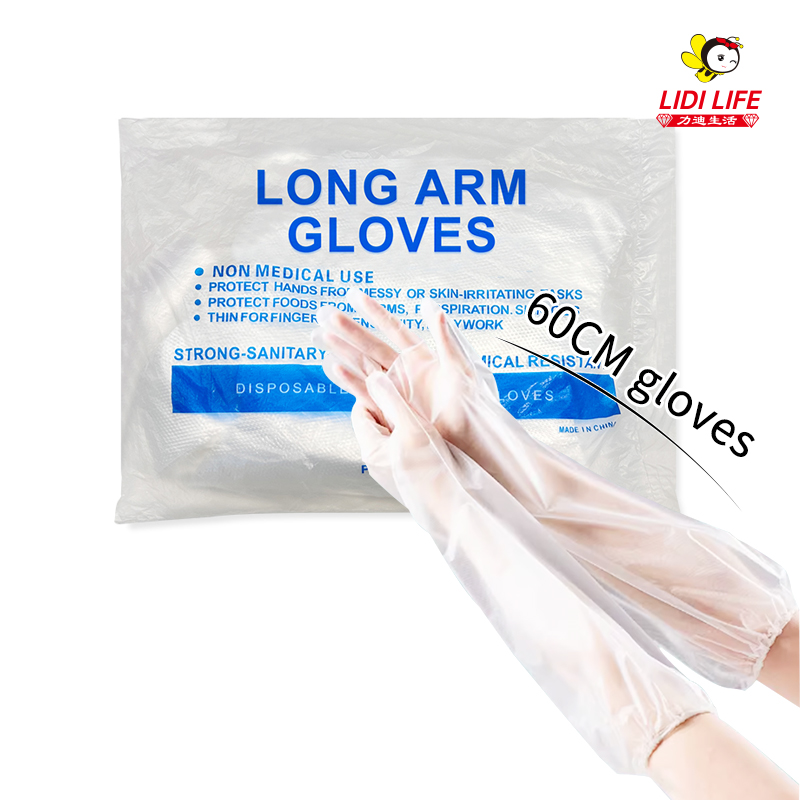
In these environments, PE gloves are frequently used for short-duration, low-risk tasks such as food serving and tray handling, while latex gloves and nitrile variants are reserved for preparation zones.
Meanwhile, gloves disposable nitrile gloves are increasingly preferred in hospital kitchens due to their durability and resistance to cleaning chemicals used in sanitation processes.
This hybrid usage model is reshaping how disposable gloves are classified across procurement systems, moving away from single-category purchasing toward multi-layer hygiene frameworks.
Supply Chain Stability and Hospital Procurement Strategy
German healthcare procurement is heavily centralized, often managed through regional hospital networks and national purchasing cooperatives. This structure places strong emphasis on supply chain reliability rather than short-term pricing advantages.
As a result, suppliers of gloves disposable nitrile gloves are evaluated based on:
production capacity consistency
compliance certification (EN 455, ISO standards)
packaging sterility assurance
delivery reliability under surge demand conditions
The COVID-era disruptions have permanently influenced procurement behavior, leading hospitals to diversify glove sourcing across latex gloves, medi gloves, PE gloves, and nitrile-based disposable gloves to avoid dependency on a single material type.
Rising Demand in Diagnostics and Laboratory Expansion
Germany’s expanding biotechnology and diagnostic sectors are significantly increasing demand for nitrile-based protective equipment. Laboratories handling infectious samples, chemical reagents, and genetic testing materials rely heavily on gloves disposable nitrile gloves due to their resistance to solvents and biohazards.
In these environments:
double-gloving practices are increasingly common
extended wear comfort is a key selection criterion
powder-free formulations dominate procurement lists
While latex gloves still appear in specialized lab protocols requiring high dexterity, nitrile variants have become the default standard in most diagnostic workflows.
Sustainability Pressure and Material Optimization
Environmental concerns are beginning to influence healthcare procurement decisions in Germany. Hospitals are under pressure to reduce waste and improve material efficiency without compromising safety standards.
This has led to innovation in:
thinner yet stronger gloves disposable nitrile gloves
reduced-material PE gloves for low-risk applications
optimized packaging for disposable gloves to minimize plastic waste
improved manufacturing efficiency for latex gloves to reduce raw material consumption
Although nitrile production is not inherently biodegradable, improvements in material efficiency and bulk packaging are helping healthcare providers meet sustainability targets while maintaining strict hygiene compliance.
Digital Procurement Systems and AI-Based Ordering
German hospital networks are increasingly adopting digital procurement platforms that integrate AI-assisted ordering systems. These systems automatically recommend replenishment cycles based on usage data for medi gloves, latex gloves, PE gloves, and gloves disposable nitrile gloves.
This automation improves:
stock rotation efficiency
emergency inventory readiness
cost forecasting accuracy
supplier performance tracking
Within these systems, disposable gloves are no longer treated as a generic consumable but as a segmented category with multiple sub-types, each assigned to specific clinical functions.
Manufacturing Quality Expectations from German Buyers
Healthcare buyers in Germany apply some of the strictest quality benchmarks in the global market. Manufacturers supplying gloves disposable nitrile gloves, medi gloves, and latex gloves must demonstrate consistent compliance with:
EN 455 medical glove standards
ISO 13485 quality management systems
batch-level traceability
protein content control for latex products
puncture resistance testing for nitrile materials
Factories such as XIAMEN LIDI PLASTIC CO.,LTD. that maintain diversified production capabilities across PE gloves, latex gloves, and disposable gloves categories are better positioned to meet these multi-layered requirements.
Workforce Safety and Extended Usage Behavior
Post-pandemic hygiene awareness has permanently changed glove usage behavior among German healthcare workers. Continuous glove use during long shifts has increased demand for ergonomic improvements in gloves disposable nitrile gloves, including:
improved elasticity for reduced hand fatigue
textured fingertips for better instrument control
breathable formulations for extended wear comfort
While medi gloves are still used in structured procedural contexts, nitrile gloves dominate frontline, high-contact medical roles due to their versatility and safety profile.