
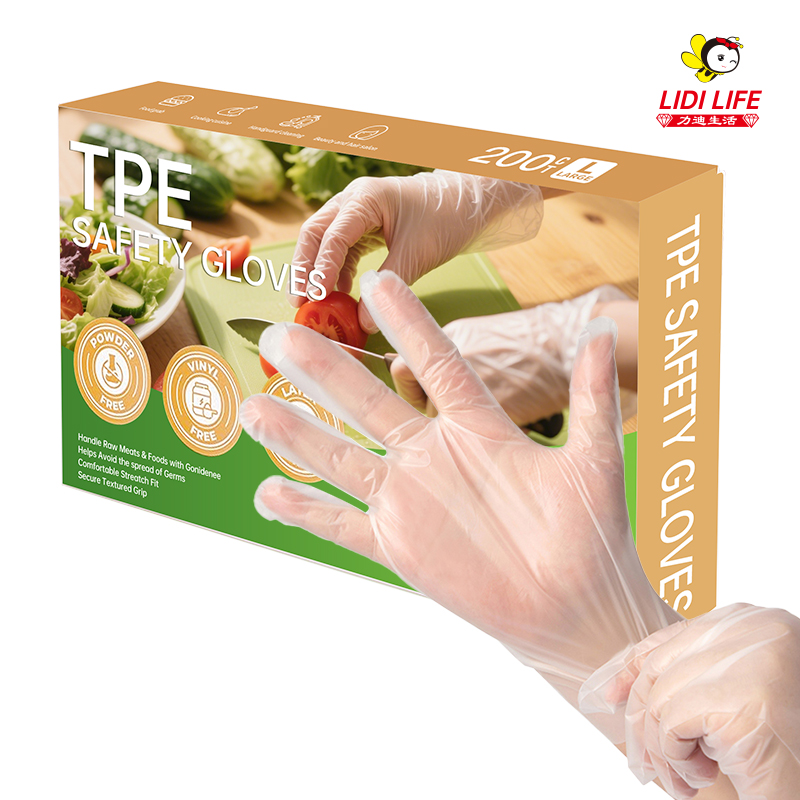
The Nitrile Gloves Disposable Bulk Orders Surge in Germany reflects a new phase in the country’s protective handwear market in 2026, where procurement has shifted from fragmented purchasing to large-scale centralized contracting. Driven by healthcare consolidation, food industry expansion, and industrial automation, demand for gloves disposable nitrile gloves, latex gloves, medi gloves, PE gloves, and broader disposable gloves continues to rise sharply across institutional buyers.
Unlike earlier years dominated by spot purchasing, German organizations now prioritize long-term supply agreements, stable pricing structures, and multi-category glove portfolios.
Centralized Procurement Driving Bulk Demand Growth
One of the strongest forces behind the surge in bulk orders is the centralization of procurement across German hospitals, food corporations, and logistics networks. Instead of individual departments ordering independently, large institutions now purchase disposable gloves through unified frameworks.
This shift has significantly increased order volumes for:
gloves disposable nitrile gloves in hospitals and laboratories
latex gloves for precision clinical and food preparation tasks
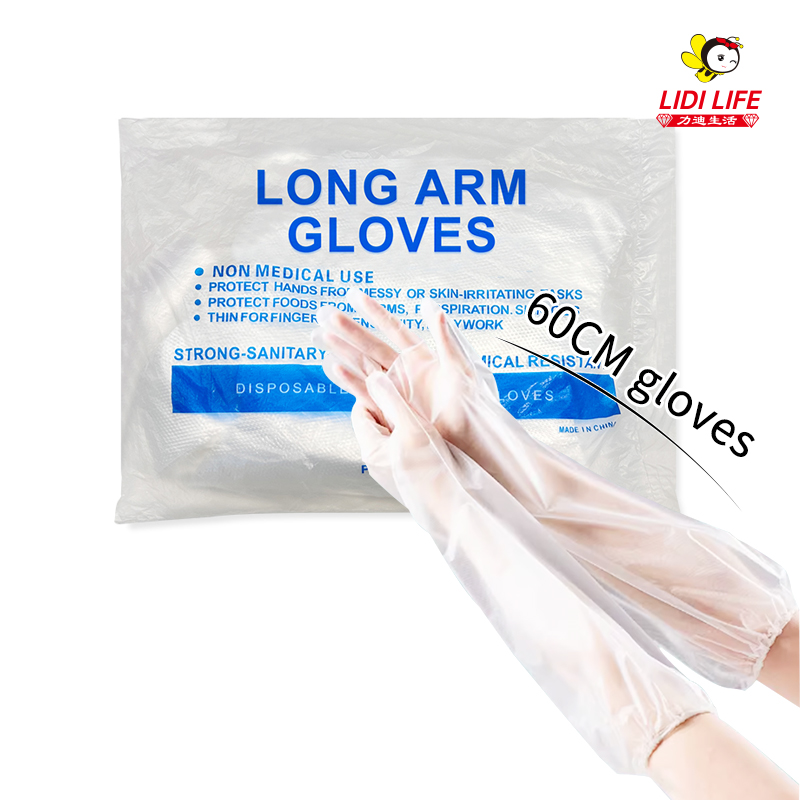
PE gloves for high-frequency, low-risk applications
medi gloves for standardized clinical hygiene zones
Bulk procurement reduces administrative complexity while ensuring consistent quality across all operational sites.
Healthcare Networks and Predictable Consumption Models
German healthcare systems are among the largest consumers of nitrile-based protective equipment. The rise in bulk purchasing of gloves disposable nitrile gloves is closely linked to predictable consumption models introduced by hospital networks.
These systems analyze:
patient intake volumes
surgical procedure frequency
infection control requirements
seasonal outbreak patterns
Based on this data, hospitals place large scheduled orders for disposable gloves, ensuring uninterrupted supply for critical departments.
While latex gloves remain in limited use for dexterity-sensitive procedures, nitrile products dominate bulk contracts due to their safety profile and chemical resistance. Medi gloves are often included in standardized bundles for general clinical operations.
Food Industry Expansion and Contract-Based Supply Chains
Germany’s food processing industry is another major driver of bulk order growth. Large food manufacturers and retail chains increasingly prefer contract-based procurement systems for hygiene products.
In this sector:
gloves disposable nitrile gloves are used in high-contamination zones
PE gloves are ordered in massive volumes for packaging and service counters
latex gloves support manual preparation tasks requiring flexibility
medi gloves are used in inspection and compliance checkpoints
disposable gloves form the standardized procurement category
The need for uninterrupted production lines makes bulk ordering essential, especially in high-output food factories and supermarket supply networks.
Industrial Automation and Warehouse Logistics Demand
Germany’s logistics and warehousing sectors are expanding rapidly due to e-commerce growth and supply chain digitalization. These environments require constant glove usage for sorting, packaging, and handling food-related goods.
As a result, bulk procurement of gloves disposable nitrile gloves has increased significantly in distribution centers where durability and chemical resistance are essential.
At the same time:
PE gloves are used for ultra-short handling tasks
latex gloves are reserved for precision adjustments
medi gloves appear in quality control zones
disposable gloves remain the umbrella procurement category
The scale of warehouse operations makes bulk purchasing not just economical but operationally necessary.
Price Stability and Long-Term Contracting Strategy
Another key reason for the surge in bulk orders is price stabilization. German buyers are increasingly concerned about global supply chain volatility and raw material fluctuations.
To mitigate risks, companies are locking in long-term contracts for:
gloves disposable nitrile gloves
latex gloves
PE gloves
medi gloves
unified disposable gloves portfolios
These contracts ensure predictable pricing, stable delivery schedules, and reduced exposure to market fluctuations.
Manufacturing Capacity and Supplier Consolidation
The surge in bulk ordering is also reshaping supplier relationships. German importers now prefer manufacturers capable of providing diversified production capacity across multiple glove categories.
Factories such as XIAMEN LIDI PLASTIC CO.,LTD. are increasingly valued for their ability to supply:
high-volume gloves disposable nitrile gloves
cost-efficient PE gloves for mass distribution
flexible latex gloves for traditional applications
standardized medi gloves for clinical use
full-range disposable gloves solutions
This consolidation trend reduces supplier fragmentation and improves long-term partnership stability.
Digital Procurement Platforms and Automated Reordering
Digital procurement systems are playing a major role in accelerating bulk orders. AI-driven platforms used by German institutions monitor consumption rates of gloves disposable nitrile gloves, latex gloves, PE gloves, and medi gloves in real time.
When usage thresholds are reached, systems automatically trigger bulk replenishment orders for disposable gloves, ensuring uninterrupted supply chains.
This automation is particularly important in healthcare and food processing sectors, where glove shortages can disrupt critical operations.
Sustainability and Efficiency in Large-Scale Purchasing
Bulk purchasing also supports sustainability goals. By ordering gloves disposable nitrile gloves and other categories in large quantities, organizations reduce packaging waste, transportation frequency, and carbon emissions.
Manufacturers are responding by optimizing:
bulk packaging formats for disposable gloves
thinner but stronger nitrile materials
recyclable packaging solutions for PE gloves
improved production efficiency for latex gloves
These improvements align with Germany’s broader environmental policies while maintaining hygiene standards.