

The German protective handwear market in 2026 is undergoing a decisive structural transition, where the long-standing dominance of latex gloves is being gradually rebalanced by the rapid expansion of gloves disposable nitrile gloves. This shift is not simply material substitution, but a broader transformation driven by healthcare safety standards, food industry hygiene requirements, and industrial procurement modernization across Germany and the wider EU.
In this evolving landscape, medi gloves, PE gloves, and general disposable gloves continue to play supporting roles, but the strategic competition between latex and nitrile materials now defines the core direction of the market.
Structural Change in Demand Patterns
Historically, latex gloves dominated German healthcare, laboratories, and food-related handling due to their elasticity and tactile sensitivity. However, increasing awareness of latex-related allergies and stricter occupational safety policies have accelerated the adoption of alternatives.
At the same time, gloves disposable nitrile gloves have become the preferred solution in environments requiring chemical resistance, puncture protection, and consistent barrier performance. This includes hospitals, food processing plants, and pharmaceutical manufacturing facilities.
As a result, procurement decisions are increasingly based on risk classification rather than tradition, leading to a more segmented glove ecosystem where disposable gloves are no longer a single category but a multi-material system.
Healthcare Sector: From Latex Preference to Nitrile Standardization
In German hospitals and clinics, the shift is particularly visible. While latex gloves still exist in specific low-risk procedures requiring high dexterity, most frontline applications now rely on nitrile alternatives.
Gloves disposable nitrile gloves are widely used in:
emergency care environments
infection control wards
surgical preparation zones
diagnostic laboratories
The key advantage lies in their chemical stability and reduced allergy risk, which aligns with Germany’s strict occupational safety regulations.
Meanwhile, medi gloves are increasingly used as standardized medium-risk protection layers, ensuring uniform compliance across hospital departments. This layered approach integrates latex gloves, nitrile products, and disposable gloves into a structured hygiene framework rather than isolated purchasing decisions.
Food Industry Transition and Regulatory Pressure
Germany’s food industry is another major driver of this shift. EU food safety regulations and HACCP-based compliance systems have increased scrutiny of glove materials used in production environments.
In this context:
latex gloves are still used in flexible manual handling tasks
gloves disposable nitrile gloves dominate high-risk contamination zones
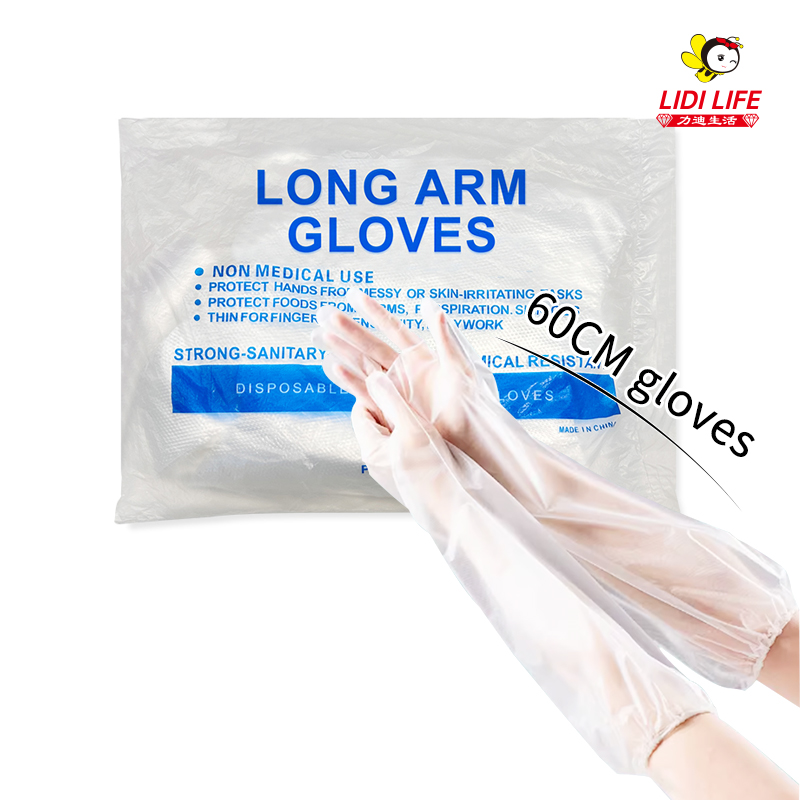
PE gloves are used in low-cost, high-frequency packaging operations
medi gloves support regulated inspection and quality control areas
disposable gloves form the overall procurement category
Food processors are increasingly replacing latex-heavy systems with nitrile-based workflows to minimize allergy risks and improve chemical resistance during sanitation processes.
Industrial Procurement and Risk-Based Material Selection
One of the most important trends in Germany is the move toward risk-based procurement strategies. Instead of selecting gloves based on cost alone, companies now classify usage scenarios by exposure level, contamination risk, and operational duration.
This leads to a structured hierarchy:
latex gloves → precision tasks with low chemical exposure
gloves disposable nitrile gloves → high-risk industrial and medical applications
PE gloves → ultra-low-risk, short-term handling
medi gloves → standardized clinical or controlled environments
disposable gloves → umbrella procurement category
This system improves both safety compliance and supply chain efficiency, while reducing overdependence on a single material type.
Supply Chain Stability and Manufacturing Adaptation
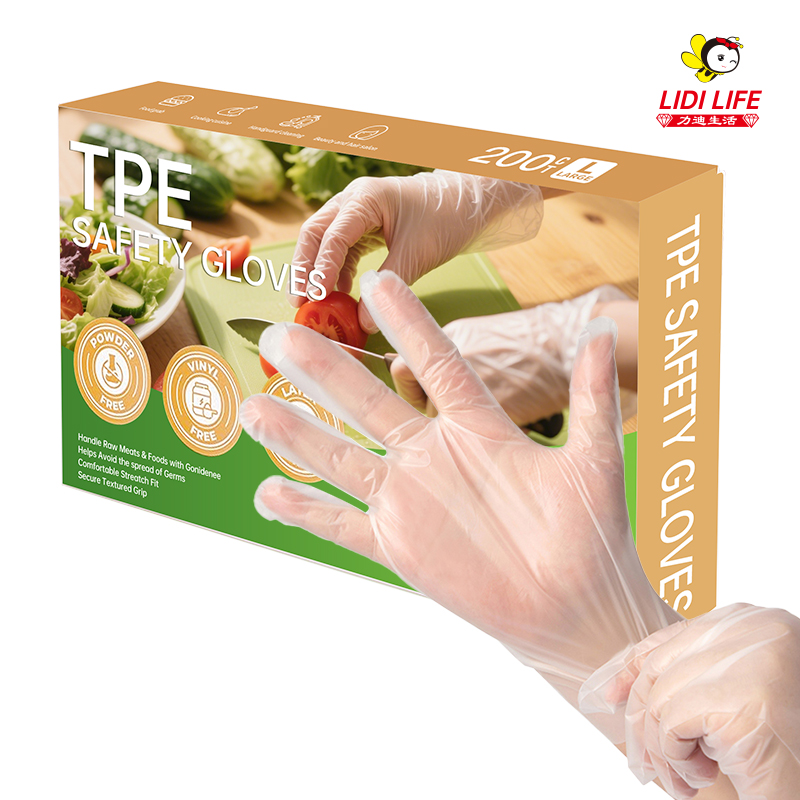
Manufacturers supplying the German market are adapting production systems to meet diversified demand. Factories such as XIAMEN LIDI PLASTIC CO.,LTD. increasingly maintain multi-line production covering latex gloves, gloves disposable nitrile gloves, PE gloves, and medi gloves within unified quality control systems.
Key manufacturing expectations include:
consistent thickness control for nitrile and latex products
allergen reduction in latex gloves
high puncture resistance for gloves disposable nitrile gloves
cost-optimized film production for PE gloves
standardized packaging for disposable gloves export logistics
This diversification ensures resilience in responding to shifting demand between latex and nitrile categories.
Digital Procurement and AI-Driven Category Replacement
German procurement systems are increasingly digitalized, with AI-supported platforms analyzing consumption patterns of latex gloves, medi gloves, gloves disposable nitrile gloves, and PE gloves.
These systems automatically recommend substitutions when:
latex allergy risk thresholds are exceeded
nitrile supply offers better lifecycle cost efficiency
regulatory compliance requires material upgrades
inventory optimization favors standardized disposable gloves categories
As a result, the latex-to-nitrile transition is accelerating not only through policy but also through algorithmic procurement behavior.
Industrial and Healthcare Convergence
A unique feature of the German market is the convergence between healthcare and industrial hygiene standards. Both sectors now adopt similar glove classification logic, especially in pharmaceutical production, food logistics, and laboratory environments.
This convergence strengthens demand for gloves disposable nitrile gloves, while maintaining selective usage of latex gloves where precision is critical. Medi gloves serve as the bridging category, ensuring consistency across hybrid environments.