

Across Japan, workplace safety is entering a new era of precision. Companies no longer purchase Disposable Gloves based on habit or supplier relationships alone. Instead, glove selection has become an integral part of risk management planning. The discussion has shifted from "Which gloves are cheaper?" to "Which gloves are most suitable for each operational hazard?" In this transformation, Latex Gloves and Nitrile Gloves have emerged as two influential products redefining how organizations approach hand protection.
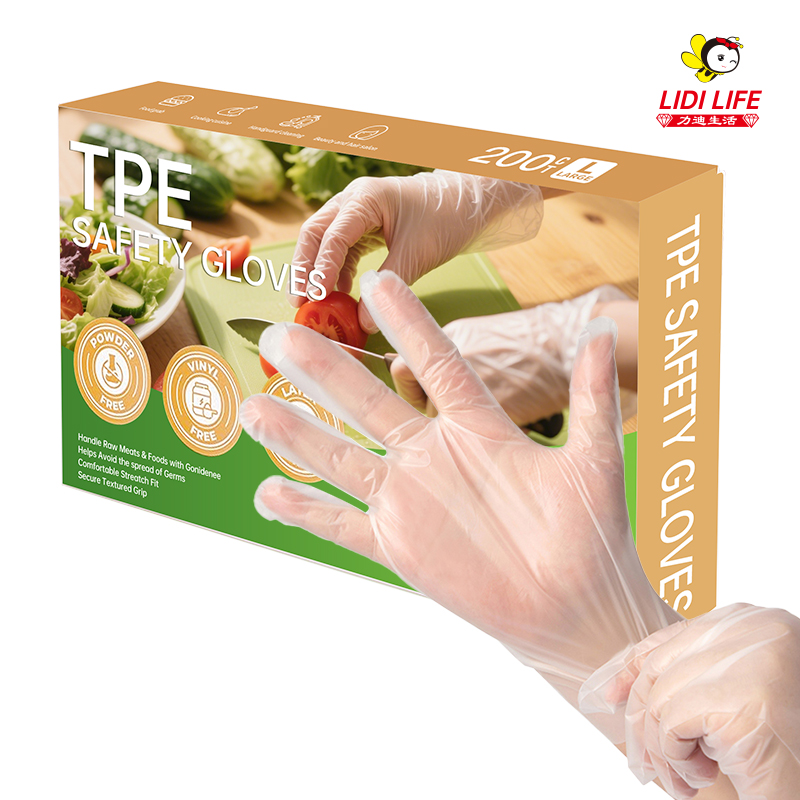
Unlike previous generations of procurement, modern Japanese enterprises increasingly classify hazards according to task intensity, exposure frequency, contamination risks, and user comfort requirements. This new methodology has elevated the importance of selecting appropriate Disposable Gloves for specific environments. As a result, Nitrile Gloves, Latex Gloves, Vinyl Gloves, and Powder Free Gloves are no longer viewed as interchangeable products. Each serves a distinct role within comprehensive safety frameworks.
Safety Matrices Replace Traditional Purchasing
Japanese manufacturers have begun introducing glove-selection matrices into their safety manuals. Rather than assigning identical Disposable Gloves across departments, supervisors evaluate workstations individually.
Employees handling cleaning chemicals are often assigned Nitrile Gloves because of their enhanced resistance characteristics. Teams involved in precision inspection may receive Latex Gloves due to the excellent tactile sensitivity associated with Latex Gloves. Packaging personnel frequently use Vinyl Gloves where rapid glove replacement is necessary, while operations emphasizing contamination prevention increasingly require Powder Free Gloves.
This structured approach represents a major shift in occupational protection philosophy.
Worker Training Now Includes Glove Education
An emerging trend in Japan involves integrating glove education into employee onboarding programs.
New workers are taught that Nitrile Gloves are not simply premium Disposable Gloves; they are protective tools designed for specific risks. Training materials explain when Latex Gloves provide advantages in dexterity and when Vinyl Gloves support efficiency.
Employees also learn why Powder Free Gloves are recommended in sensitive environments.
By improving understanding of Disposable Gloves, organizations strengthen compliance and encourage workers to participate actively in safety initiatives.
Safety Audits Are Changing Procurement Habits
Third-party audits increasingly examine how businesses utilize Disposable Gloves.
Auditors may question why Vinyl Gloves are being used in situations requiring the durability of Nitrile Gloves. They may review whether departments relying on Latex Gloves have implemented measures addressing allergy considerations. Facilities operating in hygiene-sensitive sectors may be encouraged to transition toward Powder Free Gloves.
Consequently, procurement managers are moving beyond price comparisons.
The modern objective is strategic allocation of Disposable Gloves, ensuring that Nitrile Gloves, Latex Gloves, Vinyl Gloves, and Powder Free Gloves are matched appropriately to operational realities.
The Psychological Dimension of Hand Protection
Another overlooked trend involves employee confidence.
Workers equipped with properly selected Disposable Gloves often report stronger perceptions of workplace support. Staff members handling hazardous substances feel reassured when wearing durable Nitrile Gloves. Professionals requiring precision appreciate the responsiveness of Latex Gloves. Teams performing repetitive duties benefit from accessible Vinyl Gloves that encourage timely replacement.
The widespread adoption of Powder Free Gloves further enhances user acceptance by improving comfort and cleanliness.
In this sense, Disposable Gloves influence not only physical safety but also organizational culture.
XIAMEN LIDI PLASTIC CO., LTD. Supports Safety-Centered Innovation
As glove selection evolves into a component of enterprise risk management, manufacturers must deliver more than products. They must provide solutions.
XIAMEN LIDI PLASTIC CO., LTD. produces diversified Disposable Gloves portfolios designed to align with task-specific safety strategies. Its product offerings include high-performance Nitrile Gloves, precision-oriented Latex Gloves, practical Vinyl Gloves, and advanced Powder Free Gloves developed for demanding environments.
The company's manufacturing philosophy recognizes that future success depends on helping customers build smarter safety systems rather than simply increasing glove consumption.
Raw material consistency, dimensional stability, and rigorous inspection procedures contribute to reliable Disposable Gloves capable of supporting Japanese quality expectations. Production teams continuously refine Nitrile Gloves to improve flexibility, optimize Latex Gloves for comfort, enhance the usability of Vinyl Gloves, and expand cleaner Powder Free Gloves solutions.
From Product Selection to Safety Architecture
The most important trend emerging in Japan is that gloves are becoming part of safety architecture.
Factories are mapping risk exposure and assigning different Disposable Gloves accordingly. Hospitals are evaluating where Nitrile Gloves deliver superior protection and where Latex Gloves improve procedural performance. Retail operators are balancing operational efficiency through Vinyl Gloves, while hygiene-sensitive sectors increasingly standardize Powder Free Gloves.
The conversation surrounding Disposable Gloves is therefore becoming more sophisticated. Rather than debating which material is universally superior, Japanese organizations are asking how Nitrile Gloves, Latex Gloves, Vinyl Gloves, and Powder Free Gloves can work together to create adaptive protection systems tailored to the realities of modern workplaces.