

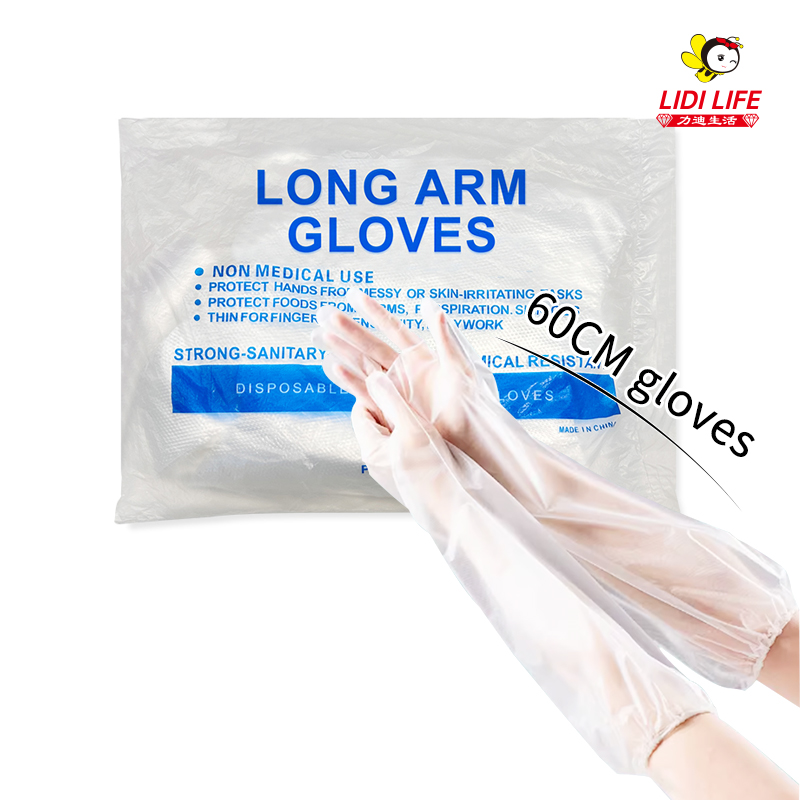

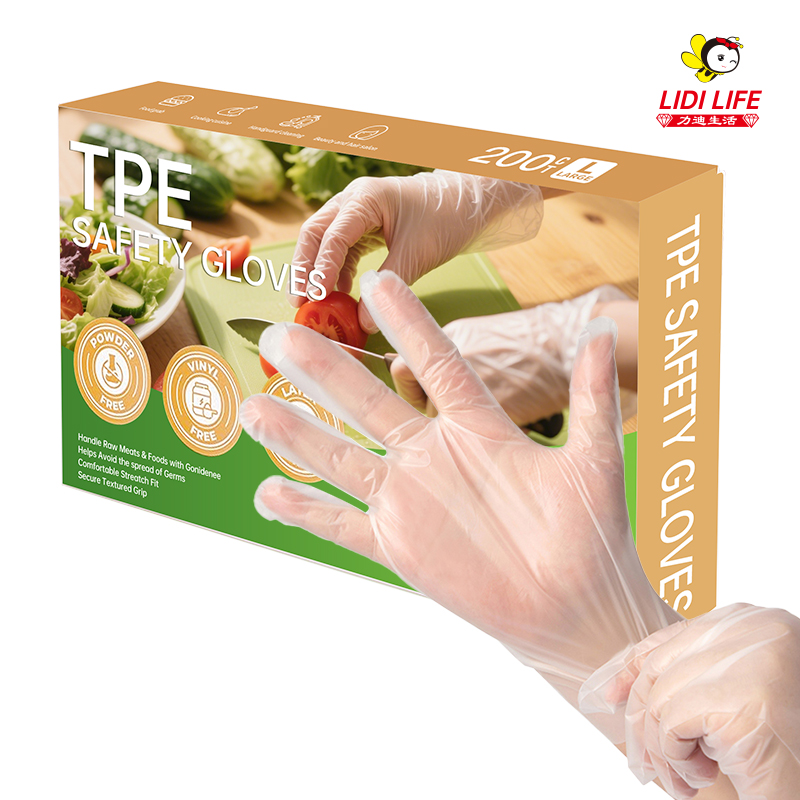
The Gloves disposable nitrile gloves demand in Germany continues to accelerate in 2026, driven by stricter hygiene enforcement, expanded industrial automation, and a structural shift toward safer, allergy-reduced protective solutions. Across healthcare, food processing, pharmaceuticals, and logistics, nitrile-based protection is increasingly replacing traditional materials, reshaping how disposable gloves, latex gloves, medi gloves, and PE gloves are positioned within the German procurement ecosystem.
Unlike earlier market cycles focused primarily on cost efficiency, current demand is defined by performance reliability, regulatory compliance, and cross-sector usability.
Germany’s Structural Shift Toward Nitrile Dominance
The most significant driver behind gloves disposable nitrile gloves demand in Germany is the country’s strict occupational safety and hygiene framework. Employers are increasingly required to minimize allergen exposure while ensuring chemical resistance in daily operations.
This has led to widespread substitution of latex gloves in high-risk environments, particularly in:
hospitals and emergency departments
pharmaceutical production facilities
chemical handling laboratories
industrial cleaning operations
In these sectors, nitrile has become the default standard for disposable gloves, especially where long-duration wear and contamination resistance are critical.
Food Industry Expansion and Compliance Pressure
Germany’s food manufacturing and processing sector plays a major role in expanding nitrile glove consumption. EU hygiene regulations and HACCP-based systems require strict separation between raw and processed food handling.
Within this framework:
gloves disposable nitrile gloves are used in contamination-sensitive zones
PE gloves remain common in low-risk packaging and service areas
latex gloves are still used in flexible manual preparation tasks
medi gloves support controlled inspection and compliance checkpoints
disposable gloves serve as the unified procurement category
As production lines become more automated, nitrile gloves are increasingly preferred due to their durability under continuous workflow conditions.
Healthcare System Demand and Infection Control Standards
German healthcare institutions remain one of the largest consumers of nitrile-based protective equipment. The demand for gloves disposable nitrile gloves is strongly linked to infection control protocols and regulatory compliance requirements.
They are widely used in:
surgical preparation and post-operative care
diagnostic testing laboratories
infectious disease isolation units
emergency response departments
Compared to latex gloves, nitrile products significantly reduce allergy risks while offering superior chemical resistance against disinfectants and medical solvents.
Meanwhile, medi gloves continue to function as standardized medium-risk protection within clinics, complementing nitrile usage in a layered safety system.
Industrial Automation and High-Frequency Usage
Germany’s industrial automation trend is another key factor driving demand. As factories adopt robotics and semi-automated systems, human operators are concentrated in quality control, machine monitoring, and maintenance tasks.
In these environments, gloves disposable nitrile gloves are preferred because they:
resist oils and industrial chemicals
maintain structural integrity under repeated use
reduce contamination in precision manufacturing
By contrast, PE gloves are used in ultra-short contact scenarios, while latex gloves are reserved for tasks requiring fine tactile feedback.
Procurement Evolution: From Single Material to Hybrid Systems
Modern German procurement strategies no longer rely on a single glove type. Instead, organizations build multi-layer glove systems combining different materials:
gloves disposable nitrile gloves → high-risk industrial and medical use
latex gloves → precision tasks with tactile sensitivity
PE gloves → low-cost, high-frequency hygiene control
medi gloves → standardized clinical environments
disposable gloves → overarching category for centralized procurement
This hybrid model improves operational flexibility and ensures resilience against supply chain fluctuations.
Supply Chain Stability and Manufacturer Adaptation
Global disruptions have permanently changed how German buyers evaluate suppliers. Consistency and traceability now outweigh purely price-driven decisions.
Manufacturers supplying gloves disposable nitrile gloves must demonstrate:
stable production capacity for large-scale orders
compliance with EU safety and quality standards
consistent thickness and puncture resistance
clean manufacturing environments for disposable gloves
multi-product capability including latex gloves, PE gloves, and medi gloves
Factories with diversified production systems are better positioned to serve Germany’s increasingly segmented demand structure.
Digital Procurement Systems and AI-Driven Demand Growth
A major acceleration factor in 2026 is the rise of digital procurement platforms used by hospitals, distributors, and industrial buyers in Germany. These systems analyze consumption data and automatically recommend replenishment cycles for gloves disposable nitrile gloves, latex gloves, medi gloves, and PE gloves.
AI-based sourcing tools prioritize:
usage frequency
risk classification
cost-per-use efficiency
supplier reliability for disposable gloves
This algorithm-driven procurement environment is significantly increasing visibility and demand for nitrile-based products.
Cross-Sector Convergence and Future Demand Stability
One of the most notable trends in Germany is the convergence of hygiene standards across healthcare, food processing, and industrial manufacturing. This convergence reinforces long-term demand stability for gloves disposable nitrile gloves, while still maintaining niche roles for latex gloves and medi gloves.
As industries align under unified safety frameworks, nitrile gloves are expected to remain the dominant growth category within the broader disposable gloves market.