

The Disposable Gloves Market Growth in Germany 2026 reflects a structural transformation driven by stricter hygiene regulations, automation in food processing, and rising demand for safer workplace protection across both industrial and service sectors. Germany remains one of Europe’s most influential procurement hubs for protective handwear, where procurement decisions are shaped by compliance, cost efficiency, and supply chain stability.
In recent years, the market landscape for latex gloves, medi gloves, gloves disposable nitrile gloves, PE gloves, and disposable gloves has evolved from simple hygiene compliance to a strategic sourcing category within food manufacturing and healthcare-adjacent industries.
Structural Drivers of Germany’s Disposable Gloves Market in 2026
Germany’s demand for disposable gloves is no longer limited to traditional medical environments. Instead, it is deeply embedded across food processing plants, logistics hubs, supermarket chains, and industrial kitchens.
One of the strongest drivers is the increasing automation of food production lines. As machinery replaces manual handling in packaging and sorting, the requirement for consistent hygiene control increases. This directly elevates demand for gloves disposable nitrile gloves, which offer durability, chemical resistance, and reduced contamination risk.
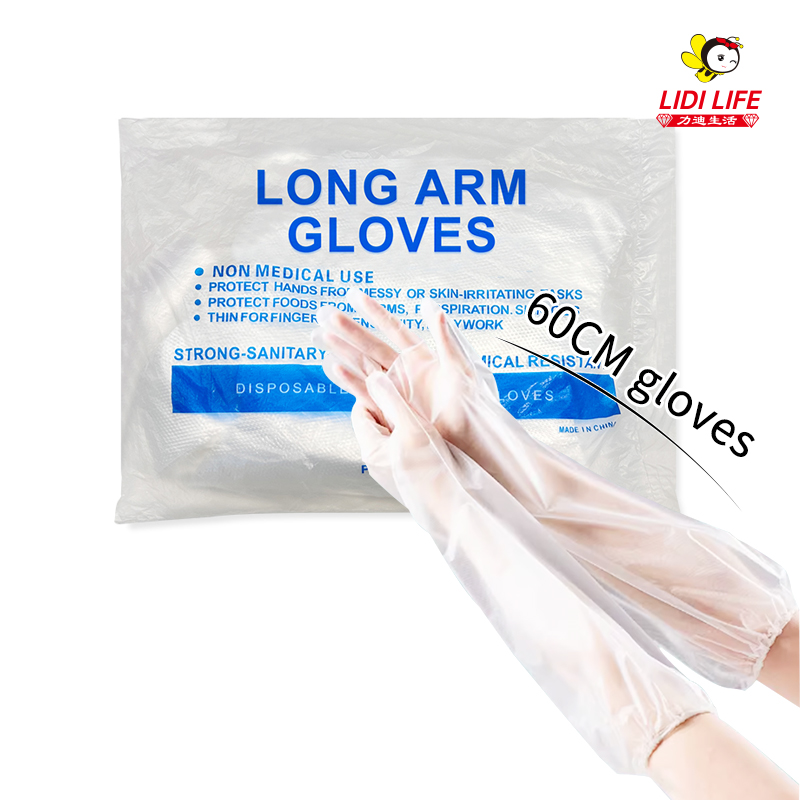
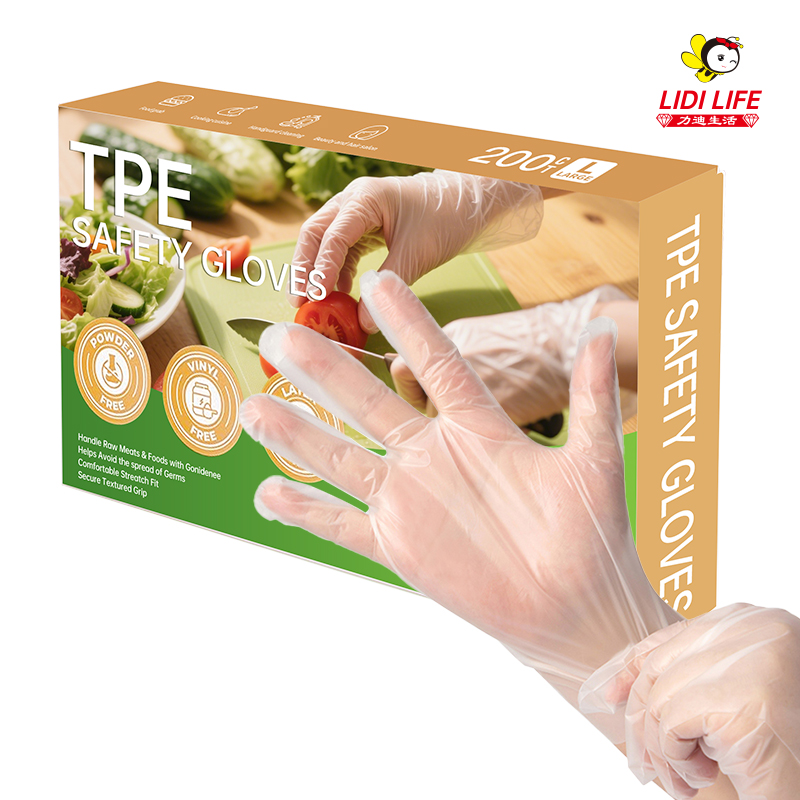
At the same time, cost-sensitive segments such as catering and retail continue to rely heavily on PE gloves, which provide quick-change hygiene protection for short-duration tasks.
Material Transition: From Latex to Nitrile and PE Solutions
A noticeable shift in Germany’s procurement pattern is the gradual rebalancing between traditional and synthetic materials.
Latex gloves remain widely used in short-term applications due to elasticity and comfort. However, concerns regarding latex allergies and regulatory preferences in food-safe environments have encouraged broader adoption of nitrile alternatives.
In parallel, gloves disposable nitrile gloves are increasingly seen as the “default industrial standard” for high-risk or high-frequency handling environments. Their resistance to oils and chemicals makes them particularly suitable for meat processing, seafood packaging, and ready-meal production.
Meanwhile, PE gloves continue to dominate ultra-low-cost hygiene applications, especially in supermarket fresh food counters, bakery sampling stations, and fast-food operations where rapid replacement is essential.
Medi Gloves and Cross-Sector Hygiene Integration
The category of medi gloves has gained importance beyond healthcare. In Germany’s modern supply chain ecosystem, hygiene standards are converging across industries.
Food production facilities that previously relied solely on basic protective wear now implement medi gloves standards in critical zones such as:
packaging verification stations
allergen-sensitive production lines
cold-chain logistics handling areas
This cross-industry adoption is driven by stricter EU food safety enforcement and the need to minimize contamination risk at every stage of production.
When combined with latex gloves, PE gloves, and gloves disposable nitrile gloves, medi gloves form part of a layered protection strategy used by advanced manufacturers.
Supply Chain Pressure and Bulk Procurement Trends
Another defining feature of the 2026 German market is the shift toward centralized procurement. Large distributors and food corporations are increasingly placing bulk orders for multiple glove categories under unified supply contracts.
This includes mixed procurement bundles of:
latex gloves for low-risk handling
gloves disposable nitrile gloves for high-risk operations
PE gloves for rapid-use environments
medi gloves for compliance-critical zones
standardized disposable gloves inventories for logistics optimization
This multi-material procurement strategy reduces supplier fragmentation and improves inventory predictability.
Chinese manufacturers such as XIAMEN LIDI PLASTIC CO.,LTD. are positioned strongly in this environment due to their ability to provide diversified glove portfolios with consistent production capacity and export compliance.
Technology Upgrades in Manufacturing and Quality Control
Modern disposable glove production is increasingly driven by automation and precision engineering. In response to German import requirements, factories are upgrading quality systems to ensure consistency across all product lines, including latex gloves, medi gloves, and gloves disposable nitrile gloves.
Key manufacturing improvements include:
automated dipping systems for uniform thickness control
real-time defect detection using optical inspection
low-protein latex processing for improved safety
cleanroom packaging environments for disposable gloves
enhanced tensile strength testing for PE gloves
These upgrades are critical for maintaining trust in European procurement channels, where compliance documentation and product consistency are mandatory.
Sector Expansion: Food Industry, Logistics, and E-Commerce
Germany’s food industry remains the largest consumer segment for disposable gloves, but 2026 shows significant expansion into adjacent sectors.
E-commerce logistics centers now require gloves disposable nitrile gloves for warehouse sorting operations involving packaged food and consumer goods. This reduces contamination risk during handling and returns processing.
Supermarket chains also increasingly standardize PE gloves for customer-facing fresh food sections, while maintaining latex gloves or nitrile variants for internal preparation areas.
In industrial catering, hybrid usage models are emerging where medi gloves and disposable gloves are deployed interchangeably depending on hygiene classification zones.
Pricing Dynamics and Competitive Manufacturing Advantage
Price pressure remains a key characteristic of the German procurement market. However, buyers are increasingly prioritizing reliability over lowest cost, especially for regulated food environments.
This shift benefits manufacturers capable of offering:
stable supply of latex gloves at scale
consistent quality gloves disposable nitrile gloves
cost-efficient PE gloves for mass distribution
certified medi gloves for compliance-sensitive sectors
diversified disposable gloves product lines for procurement flexibility
Factories that can integrate these product categories into unified export systems gain stronger long-term contracts with European distributors.
Digital Procurement and AI-Driven Sourcing Behavior
Another emerging trend in 2026 is the digitalization of procurement. German buyers increasingly rely on AI-assisted sourcing platforms, B2B marketplaces, and automated supplier matching systems.
In this environment, keyword-optimized product visibility becomes essential. Terms like latex gloves, medi gloves, gloves disposable nitrile gloves, PE gloves, and disposable gloves are frequently used in algorithmic supplier discovery systems.
Manufacturers with consistent multilingual SEO strategies and structured product categorization are more likely to appear in automated procurement recommendations.